The Heartbeat of the Diamond: What Makes a Twins Clubhouse Good?
The Minnesota Twins, a franchise steeped in tradition and fan loyalty, possess a unique lore that extends far beyond the diamond. While iconic moments on the field captivate audiences, the true pulse of the team often resides behind closed doors, within the dynamic environment of the clubhouse. What makes a twins clubhouse good isn't just about winning, but about the intangible elements of chemistry, leadership, and shared conviction that bind players together, echoing out to the loyal fanbase.
Recently, the importance of this inner sanctum was underscored by All-Star Byron Buxton. As he prepared for his World Baseball Classic stint, Buxton delivered a crucial message to his teammates, emphasizing self-belief and aggression. His directive – "believe in yourself... throw it with conviction... Don't take the passive side out. We got to start being on the fight side a little bit more and attack" – wasn't just a rallying cry; it was a testament to the evolving nature of leadership in modern baseball. While Buxton may not be the most vocal presence, his actions and well-timed words, guided by the likes of manager Derek Falvey and former Twin Justin Morneau, resonate deeply.
This "fight side" mentality is foundational to a high-performing team. It speaks to a clubhouse where players aren't afraid to take risks, to make mistakes, and to learn from them. It's a culture that encourages proactive play, where conviction in one's abilities overrides fear of failure. This proactive approach, championed by leaders like Buxton, is a cornerstone of a truly cohesive and competitive unit, demonstrating how a positive internal message can set the tone for an entire season. For a deeper dive into Buxton's impactful message, you can read more here: Buxton's Message: Inside the Twins' Confident Clubhouse.
Beyond the Stats: Unpacking the "Clubhouse Guy" Phenomenon
Every successful team boasts a collection of players whose contributions transcend their stat lines. These are the "clubhouse guys" – the individuals who glue the team together, injecting energy, maintaining morale, and fostering a sense of camaraderie that can be just as crucial as a clutch hit or a lights-out bullpen performance. For the Minnesota Twins, identifying what makes a twins clubhouse good often involves recognizing these unsung heroes.
A great clubhouse guy isn't necessarily the loudest or most outgoing. They might be the veteran who mentors rookies, the one who cracks jokes to lighten the mood after a tough loss, or the consistent professional who sets an example through their work ethic. Their impact is felt in the subtle ways they navigate personalities, resolve minor conflicts, and ensure everyone feels like a valued part of the unit. They cultivate an environment where players look forward to coming to the ballpark, knowing they are part of a supportive family.
However, the definition can be nuanced. Consider figures like Torii Hunter, widely remembered for his infectious enthusiasm and highlight-reel catches. While undoubtedly a force for positive energy and a fan favorite, some reflections suggest his clubhouse presence, though vibrant, might have carried complexities for certain teammates. This highlights that what constitutes a "great guy to share a locker room with" can vary from person to person. Ultimately, a truly effective clubhouse guy contributes to universal team cohesion, ensuring a sense of belonging for everyone. To understand more about these pivotal figures in Twins history, explore: Twins' Best: Defining the Ultimate Clubhouse 'Glue Guys'.
From Homer Hankies to Hazing: Twins Traditions That Bind
The Minnesota Twins franchise is unique in how deeply its fan culture intertwines with its internal clubhouse dynamics. From grand gestures of support to lighthearted internal rituals, these traditions forge a powerful identity for the team and its followers, shaping what it means to be a part of the Twins family.
The Enduring Power of the Homer Hanky
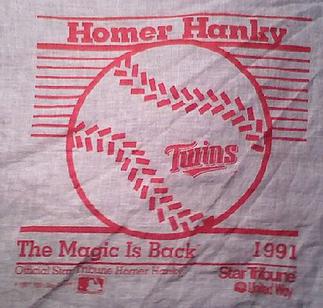
Perhaps no fan tradition is more synonymous with the Minnesota Twins than the Homer Hanky. Born during the magical 1987 playoff run, this simple promotional rally towel, initially distributed by the Star Tribune, quickly became an iconic symbol of fan engagement and collective spirit. Initially, some within the organization feared it might be a distraction or appear gimmicky. However, as tens of thousands of white towels swirled in unison during critical playoff innings, their visual impact was undeniable. The Homer Hanky transcended its promotional origins, evolving into a tangible representation of shared hope, belief, and the powerful bond between a team and its community.
The Hanky's longevity speaks volumes. It’s been reprised for subsequent playoff pushes, each time rekindling memories and generating an electric atmosphere that undoubtedly transmits energy to the players on the field. It’s more than just a piece of cloth; it’s a shared ritual, a collective roar that says, "We're in this together." This unique fan-player feedback loop is a defining characteristic of a twins clubhouse good, showing how external support can invigorate internal resolve.
Clubhouse Pranks and the Evolution of Hazing
Beyond the grand stadium traditions, a rich tapestry of humor and rituals has always existed within the clubhouse walls. From quirky home run celebrations (like the home run sausage of recent memory) to more traditional bullpen hazing, these backstage moments add color and character to the team's lore. These aren't just trivial occurrences; they are crucial components of team bonding, helping to break down hierarchies, build trust, and foster a relaxed atmosphere amidst the intense pressure of professional sports.
Historically, "hazing" in baseball often involved lighthearted pranks on rookies – like making them carry equipment, dress up in silly costumes, or perform amusing tasks. These rituals, when kept respectful and within professional boundaries, serve as an initiation, welcoming new members into the fold and solidifying group identity. They create shared experiences and inside jokes that become part of the team's collective memory, contributing significantly to a harmonious clubhouse environment. In today's professional sports landscape, the understanding and implementation of these traditions have evolved, with a strong emphasis on ensuring all rituals are positive, inclusive, and never demeaning. The essence, however, remains: creating camaraderie through shared, memorable, and often humorous experiences.
Cultivating a Winning Culture: Tips for a Harmonious Team
The Minnesota Twins' experiences with both fan traditions and clubhouse dynamics offer valuable insights into cultivating a successful team environment. For any organization, be it a sports team or a business, understanding these elements can lead to stronger cohesion and performance. Here are some practical tips derived from Twins lore:
- Empower Player Leadership: Recognize that leadership comes in many forms. While vocal leaders are vital, individuals who lead by example, like Byron Buxton, can be equally impactful. Foster an environment where players feel comfortable taking ownership and speaking their minds with conviction.
- Value the "Glue Guys": Identify and appreciate those individuals who consistently uplift morale, bridge gaps between different personalities, and create a welcoming atmosphere. Their impact on daily operations and long-term team chemistry is immeasurable.
- Embrace Shared Rituals: Whether it's a team chant, a unique celebration, or even a lighthearted internal tradition, shared rituals build a sense of belonging and collective identity. These traditions, when developed organically and respectfully, become part of the team's unique character.
- Foster Open Communication and Trust: A twins clubhouse good thrives on an environment where players feel safe to express themselves, make mistakes, and support each other. Clear communication channels and a foundation of mutual trust are paramount for this.
- Connect with Your Community: The Homer Hanky saga illustrates how external support can fuel internal drive. Engaging with fans and the wider community creates a powerful feedback loop, where players feel the impact of their efforts extends beyond the scoreboard.
In conclusion, the lore of the Minnesota Twins is a vibrant tapestry woven from individual talent, collective spirit, and deeply cherished traditions. From the unyielding belief championed by Byron Buxton to the crucial role of "clubhouse guys" and the unifying power of the Homer Hanky, these elements collectively define what makes a twins clubhouse good. It's a place where conviction meets camaraderie, where a sense of belonging fuels performance, and where the bond between team and fan creates an enduring legacy that resonates far beyond the final out.